Conference 01:
DPSP Conference
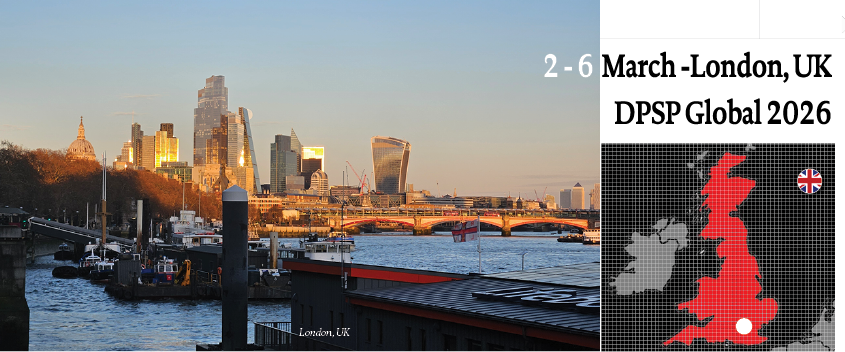
DPSP 2026 Conference was held 2-6 March 2026 at the prestigious IET London: Savoy Place, a venue renowned for its rich history, cutting-edge facilities, and central location in London, United Kingdom. More than 200 participants from 23 countries attended the conference.
The conference started with a full-day tutorial on “Driving the Change in Power Systems Protection” on Monday, 2 March 2026, focusing on the evolving challenges facing modern power system protection as grids continue to integrate renewable and inverter-based resources.
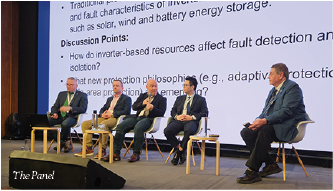
Over the following three days, the conference program featured peer-reviewed technical paper presentations, keynote and invited speakers, panel discussions, sponsor sessions, and networking activities. Discussions covered a broad range of topics including new protection principles and algorithms, digital substations, IEC 61850 applications, process bus and communication systems, HVDC and offshore network protection, inverter-based resources, protection of renewable generation, fault location, condition monitoring, and future trends such as centralized and virtualized protection systems.
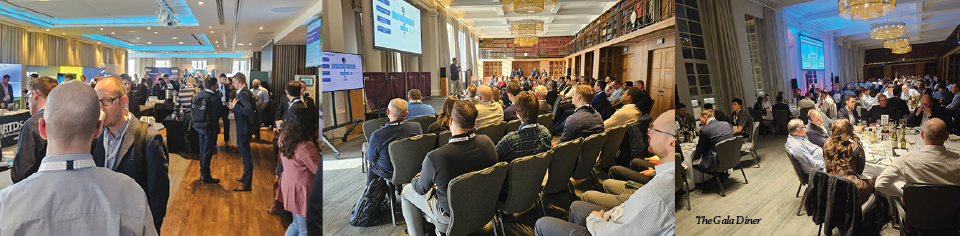
Participants also visited the exhibition area during the breaks, where sponsors and exhibitors showcased the latest developments and innovations in protection, automation, communications, and digital substation technologies.
The conference dinner and networking events provided additional opportunities for the participants to exchange experiences and discuss current industry challenges.
Conference 02:
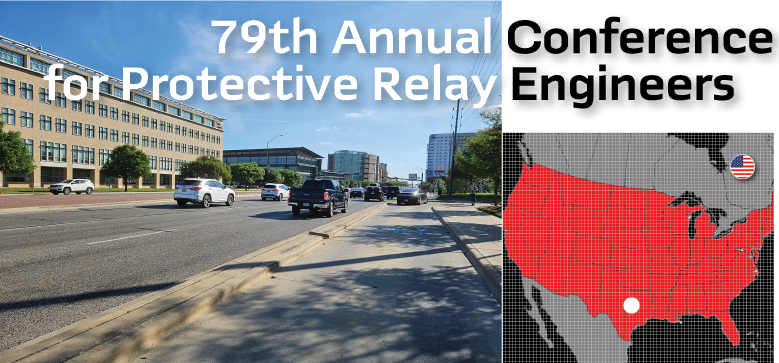
79th Annual Conference for Protective Relay Engineers
The event took place from 30 March to 2 April 2026 in College Station, Texas, USA.
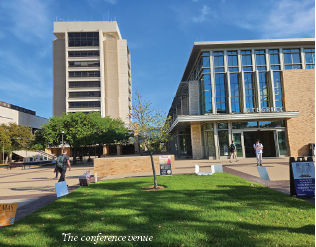
The primary conference sessions took place at Texas A&M University’s Memorial Student Center, with the opening session hosted at the Auditorium in the Rudder Tower.
Pre-conference activities featured several technical seminars organized by participating manufacturers, a dedicated ethics seminar, and an evening welcome reception in the exhibition hall. This gave attendees an early opportunity to connect before the main event.
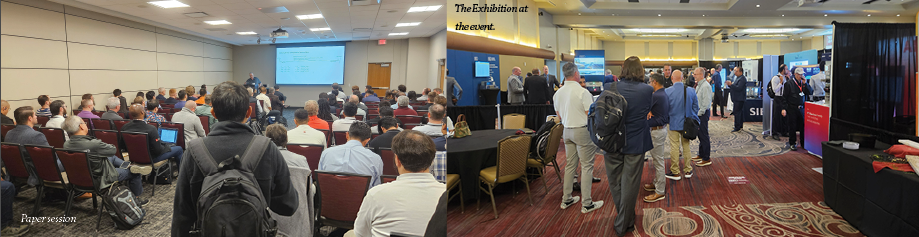
The multi-day program offered a comprehensive mix of general and concurrent parallel paper sessions. The first official day launched with a General Session and a Real-World Session.
Subsequent days split into specialized parallel tracks focusing on transmission, distribution, industrial, and generation protection systems.
The technical program highlighted modern grid challenges, featuring papers on communication protocols, testing, troubleshooting, and fundamental protection technologies. A significant portion of the agenda addressed the ongoing energy transition, focusing on the impact of inverter-based resources (IBRs) and distributed energy resources on power systems. Presenters explored cutting-edge advancements, including the application of artificial intelligence in relay settings.
During lunch breaks and after the afternoon sessions, participants gathered in the exhibition area to interact with suppliers and discuss the latest innovative products. The scheduled coffee breaks further complemented these hours, providing excellent networking opportunities for industry professionals, engineers, and researchers to share ideas and collaborate on future power system solutions.
Conference 03:
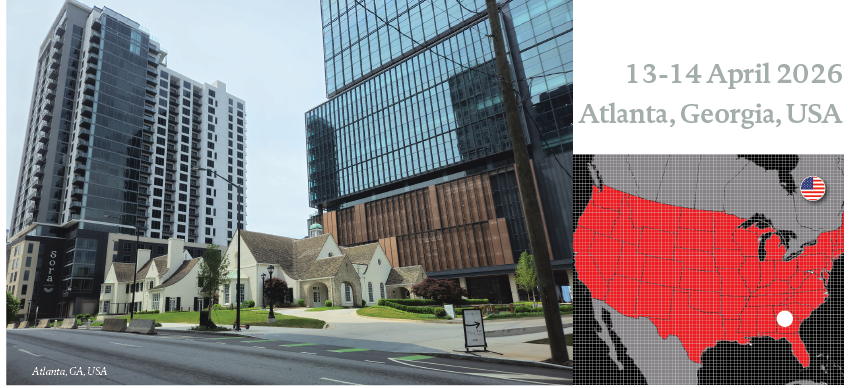
Georgia Tech Fault and Disturbance Analysis
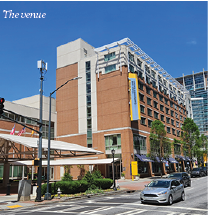
The event was held at the Georgia Tech Global Learning Center in Atlanta, GA, USA. The conference is jointly organized by the Transient Recorder Users Council and Georgia Tech.
Specialists in the field of transient and disturbance recording technology, protection engineering, and fault and disturbance analysis gathered to discuss the latest developments in monitoring, analysis, protection applications, and digital substations. The conference program included presentations on fault location methods, digital substations, inverter-based resources, traveling waves, power quality monitoring, circuit breaker life monitoring, and the application of AI in disturbance analysis.
Several papers focused on the challenges associated with inverter-based resources and renewable integration, including the impact of high penetration levels on protection and system operation. Other presentations addressed field experiences with protection schemes, vegetation-related disturbances, power quality sensor networks, and analysis of protection mis-operations. Applications of IEC 61850 in digital substations and the use of digital substation data sources for AI analysis applications were also discussed.
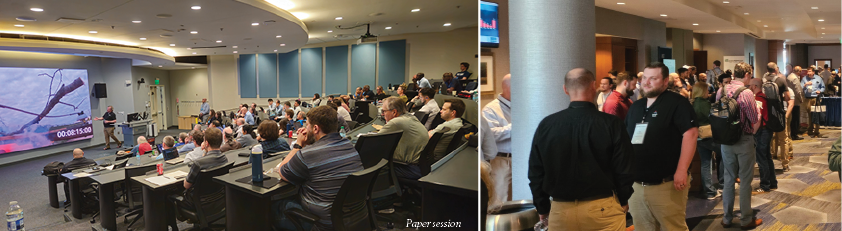
Following a well-established tradition, the conference program included a NERC update presented by John Paul Skeath, as well as a discussion of the Iberian Peninsula outage and its impact on North America. The interactive session “Display and Discussion of Actual Fault Records Brought by Participants” once again challenged attendees to analyze real system events and determine the causes of the disturbances. The conference also included the presentation of the Best Paper Award and recognitions on Monday morning.
Conference 04:
PAC World Africa Conference
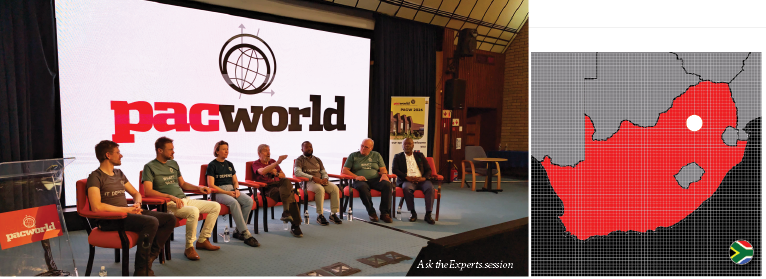
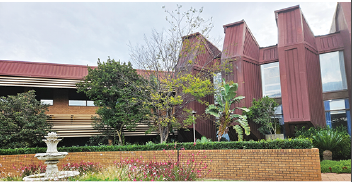
The event was held 20 – 23 April 2026 in Johannesburg, South Africa at ESKOM’s Academy of Learning (EAL).
The venue once again brought together protection, automation, control, and communications specialists from around the world to discuss the latest developments in electric power systems.
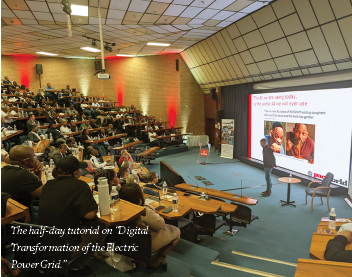
The conference was preceded on Monday by a half-day tutorial on “Digital Transformation of the Electric Power Grid” presented by Dr. Alex Apostolov, USA, and Florian Fink, OMICRON electronics, Austria. The tutorial addressed digital transformation concepts, the role of artificial intelligence, asset management applications, and included an open discussion with participants.
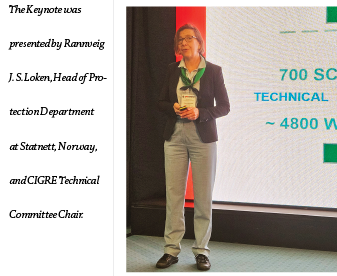
The opening of the conference on Tuesday morning was followed by the keynote address “The Technical Focus of CIGRE” presented by Rannveig J. S. Loken, Protection expert Technology developement at Statnett, Norway, and CIGRE Technical Committee Chair.
The three-day conference program included technical papers presented in single sessions, continuing the PAC World tradition of having no parallel sessions. Authors and speakers represented utilities, manufacturers, consultancies, universities, and research organizations from countries across Africa, Europe, North and South America, Asia, and Australia.

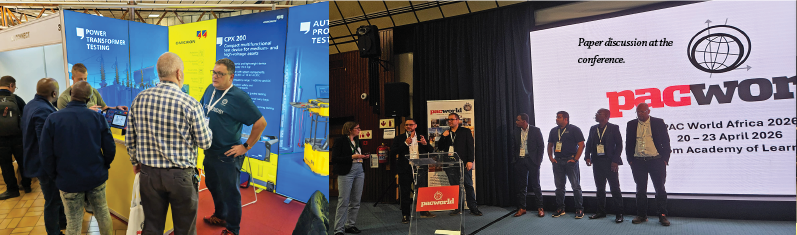
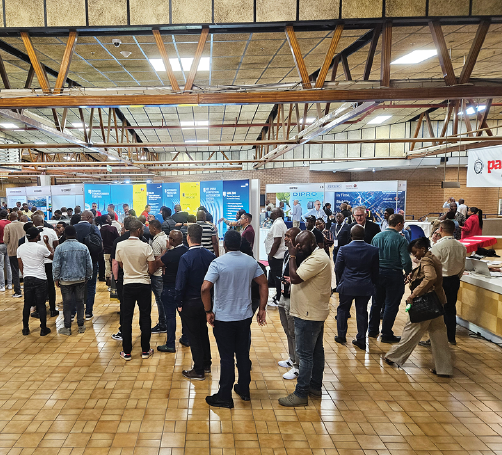
The papers covered a broad range of topics related to modern power system protection, automation, control, and communications. The sessions included discussions on IEC 61850 process bus and sampled values applications, digital substations, cybersecurity, OT/IT convergence, wide area monitoring, virtualization, fault location, inverter-based resources, digital twins, AI applications, time synchronization, SCADA modernization, and substation automation systems.
Several papers also focused on testing methodologies, firmware management, protection applications, transient analysis, and the challenges related to renewable integration and grid modernization.
The traditional interactive “Ask the Experts” panel was held on Thursday morning as the final technical session of the conference.
The lively discussion provided participants with the opportunity to exchange experiences and discuss practical challenges and future trends in protection, automation, and control systems.
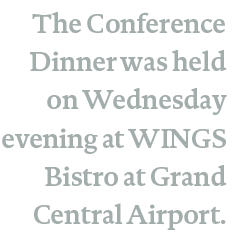
During the breaks, participants visited the exhibition areas where leading companies demonstrated their latest products, solutions, and innovations related to digital substations, communications, testing technologies, cybersecurity, and grid modernization.
The PAC Demo Hour+ provided exhibitors and participants with an opportunity for extended technical demonstrations and informal discussions in a relaxed networking environment.
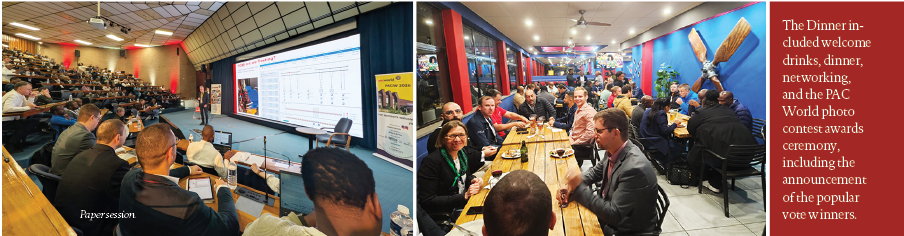
The Conference Dinner was held on Wednesday evening at WINGS Bistro at Grand Central Airport.