The vPAC Alliance (Virtual Protection, Automation and Control) is a coalition of utilities, vendors and technology partners formed to accelerate the transition of power substations to a software-defined, open, interoperable and cyber-secure architecture. Its objective is to virtualize traditional protection, automation and control (PAC) functions so utilities can run multiple PAC applications on common, vendor-agnostic platforms — improving flexibility, lowering lifecycle costs, and enabling faster innovation.
vPAC emerged recently as grid operators faced rapid electrification, distributed energy resources, and rising demands for resilience and observability. Technology leaders and early utility adopters — including major vendors and system integrators — convened to define a standards-based approach that leverages virtualization, IEC-61850 communications, and hardened IT/OT practices. The Alliance was created to produce specifications, share pilot learnings, and drive industry alignment so that software-defined subs
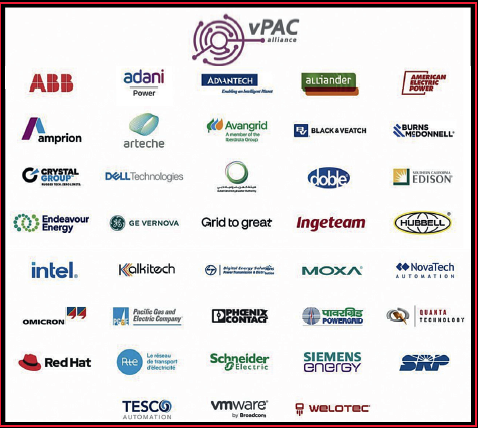
vPAC has published market engagement materials and technical specifications that articulate architecture, use cases, cybersecurity expectations, and testing guidance for virtualized PAC systems. It has pulled together a broad membership of utilities and vendors, run pilot projects, and fostered IEC-61850 adoption as a core interoperability enabler. Industry partners such as Intel, ABB, VMware, and several utilities have contributed to case studies and demonstrations showing feasibility and operational benefits.
The Alliance continues outreach and education (events, panels, technical sessions) to utilities worldwide, and members are publishing lessons learned from pilots and early deployments. New utilities are joining — for example, Dubai Electricity and Water Authority (DEWA) became the first MENA utility to join — signaling geographic expansion. Ongoing priorities include refining specifications, formalizing testing/certification paths, and integrating analytics and AI for predictive operations.
To get involved start by visiting the vPAC Alliance website https://vpacalliance.com and membership page to review the specification drafts and member list, and to register for events or webinars. Utilities can propose or join pilot projects; vendors can align products to the vPAC spec and participate in interoperability testing; researchers and consultants can contribute whitepapers or training materials. Finally, engage with relevant working groups (IEC-61850, cybersecurity, validation) and contact Alliance organizers via the site to discuss membership tiers, pilot collaboration, or speaking opportunities.
The vPAC Alliance aims to make substations more adaptable, secure and manageable — turning hardware-centric protection and control into a flexible, software-driven layer that can evolve with the grid. Joining or following its work is a practical way to participate in the next phase of grid modernization.